Scientific research points primarily to its influence on oxidative stress, antioxidant protection, inflammation, blood pressure, and metabolic health. These are important factors linked to ageing; however, they should not be equated with direct evidence that black sesame extends human lifespan.
Why do we associate black sesame with ageing?
Ageing is a complex biological process. It is influenced by genetics, diet, physical activity, sleep, stress, sun exposure, smoking, metabolic health, and numerous other factors. One of the key mechanisms that accompanies ageing is
oxidative stress — a condition in which the body produces more free radicals than its antioxidant systems are able to neutralise.
Black sesame contains several compounds that are of particular interest from the perspective of oxidative stress. Among the most significant are
sesamin, sesamolin, and sesamol, which belong to the group of sesame lignans. In addition, it contains tocopherols, phenolic compounds, unsaturated fatty acids, minerals, and dietary fibre. Review studies on sesame describe its antioxidant, anti-inflammatory, and metabolically beneficial effects, although a large portion of the evidence still comes from laboratory and animal research.
Black sesame is not a miracle remedy against ageing. It is, however, a nutrient-rich food that, as part of a balanced diet, can support the mechanisms associated with vitality and healthy ageing.
What Do Clinical Studies in Humans Show?
One of the most interesting human studies investigated the effects of black sesame meal in people with prehypertension (blood pressure levels that are above the optimal range but not yet high enough to be classified as hypertension). Participants consumed 2.52 g of black sesame meal per day in capsule form for four weeks. Researchers observed a reduction in systolic blood pressure, a decrease in malondialdehyde (MDA) - a marker of oxidative damage to lipids and an increase in vitamin E levels.
These findings are promising, but they should be interpreted in the proper context. The study was small, lasted only four weeks, and did not measure biological age or longevity. Its main conclusion was that black sesame may positively influence certain biomarkers of oxidative stress and cardiovascular health.
A systematic review of clinical studies on sesame and oxidative stress included seven clinical trials.
The authors concluded that consuming sesame or sesame-based products may increase both enzymatic and non-enzymatic antioxidant defenses while reducing markers of oxidative stress. However, they also emphasized that the available studies were generally small, highly heterogeneous, and often limited by methodological weaknesses.
Black Sesame as Part of a Healthy Aging Diet
Although black sesame has not been proven to extend lifespan, it can be a valuable part of a balanced and varied diet. It is rich in plant-based protein, unsaturated fats, dietary fiber, calcium, magnesium, iron, zinc, and other essential micronutrients.
Thanks to its nutritional profile, black sesame fits well into dietary patterns that support cardiovascular and metabolic health.
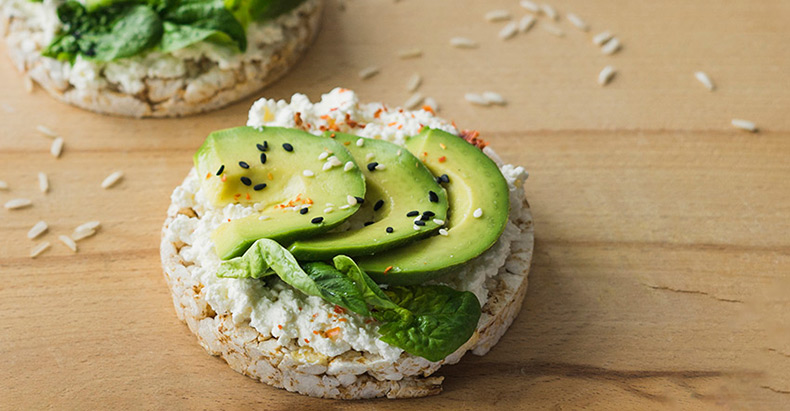
The best way to enjoy black sesame is as an addition to everyday meals. It can be sprinkled over salads, vegetable dishes, rice, porridge, soups, smoothies, or homemade bread. Because sesame seeds are small and have a tough outer hull, their nutrients are often more bioavailable when the seeds are lightly ground, crushed, or consumed as sesame paste (such as tahini).
For everyday use, moderation is recommended. One to two teaspoons, or about one tablespoon of black sesame per day, is generally sufficient for most people as part of a healthy diet.
More is not necessarily better, as sesame is an energy-dense food with a relatively high fat content, even though most of its fats are heart-healthy unsaturated fats.
When Is Caution Needed?
Sesame is a recognized food allergen. People with a sesame allergy should avoid it completely, as allergic reactions can range from mild symptoms to severe, potentially life-threatening anaphylaxis.
Caution is also advisable for individuals taking medications for high blood pressure, diabetes, or blood clotting disorders, as significant dietary changes may influence metabolic and cardiovascular markers. If you are considering consuming larger amounts of black sesame on a regular basis, it is advisable to consult your physician or a registered dietitian.
A simple and practical way to prepare black sesame is to lightly toast the seeds, allow them to cool, grind them, and store them in an airtight container. This creates a flavorful, nutrient-rich ingredient that can easily be added to a variety of meals every day.
So, Does Black Sesame Slow Aging?
The most accurate answer is: possibly, but the evidence is not yet conclusive.
Black sesame may support certain biological processes associated with healthy aging, but there is currently no convincing evidence that it directly slows aging or extends lifespan in humans.
Its greatest value lies not in the promise of eternal youth, but in its nutritional richness and unique bioactive compounds. As part of a balanced diet combined with regular physical activity, quality sleep, effective stress management, and good metabolic health black sesame can contribute to long-term nutritional support and overall healthy aging.
Sources
[1] Wei et al. Sesame (Sesamum indicum L. ): A Comprehensive Review of Nutritional Value, Phytochemical Composition, Health Benefits, Development of Food, and Industrial Applications. Nutrients, 2022.
[2] Mostashari & Khaneghah. Sesame Seeds: A Nutrient-Rich Superfood. Foods, 2024.
[3] Wichitsranoi et al. Antihypertensive and antioxidant effects of dietary black sesame meal in pre-hypertensive humans. Nutrition Journal, 2011.
[4] Gouveia et al. Effects of the Intake of Sesame Seeds and Derivatives on Oxidative Stress: A Systematic Review. Journal of Medicinal Food, 2016.
[5] Nakatani et al. Sesamin extends lifespan through pathways related to dietary restriction in Caenorhabditis elegans. European Journal of Nutrition, 2018.
[6] Yaguchi et al. Influence of oral supplementation with sesamin on longevity of Caenorhabditis elegans and the host defense. European Journal of Nutrition, 2014.
[7] Ren et al. Protective Effects of Sesamol on Systemic Inflammation and Cognitive Impairment in Aging Mice. Journal of Agricultural and Food Chemistry, 2020.