How Does Suppressed Anger Affect Our Body?
Our emotions and our body are deeply connected. Psychological stress does not exist separately from our physical experience.
When we experience anger, the body activates a stress response. The nervous system prepares us for action: heart rate increases, muscles become tense, and stress hormones such as adrenaline and cortisol are released.
This response is useful when we need to react to a threat. However, when emotional stress becomes chronic and emotions are repeatedly suppressed, the body may remain in a prolonged state of tension.
Research on emotional suppression suggests that consistently avoiding or hiding emotions can increase psychological distress and may negatively influence overall well-being.¹
Suppressed anger may contribute to:
| Physical effects |
Emotional and psychological effects |
| Muscle tension (neck, shoulders, jaw) |
Anxiety and emotional exhaustion |
| Sleep difficulties |
Feelings of frustration or helplessness |
| Digestive discomfort |
Difficulty expressing needs |
| Increased stress response |
Resentment and relationship difficulties |
|
| Chronic tension in the body |
Emotional numbness |
The important point is that anger itself is not dangerous. The difficulty often comes from having no healthy way to process and express it.
Anger vs. Aggression: What's the Difference?
One of the biggest misconceptions about anger is that people confuse it with aggression.
They are not the same.
Anger is an emotion. Aggression is a behaviour.
Anger is an internal signal that tells us something important may be happening:
- a personal boundary has been crossed,
- our needs are not being respected,
- we feel hurt or treated unfairly,
- something important to us has been threatened.
Aggression is the action we choose in response to that emotion.
| |
Description |
Example |
| Anger |
An emotional experience inside us |
“I feel angry because I feel ignored.” |
| Aggression |
A behaviour directed toward someone else |
“I insult, threaten, or hurt someone.” |
A person can experience intense anger and still communicate respectfully.
Learning this distinction helps us stop feeling ashamed of anger. Anger is not a bad emotion. It is information.
How to Express Anger Without Shouting
That is why it is very important that when we are angry, we express our feelings. However, expressing anger does not mean aggression. When we communicate anger, there is no need to yell or be offensive. Shouting often achieves the opposite effect, as certain people simply
"shut down" or retreat into defensiveness when shouted at, which prevents a constructive conversation.
We can still clearly express our dissatisfaction and set boundaries. We can use a louder tone or a faster speech rhythm to emphasise the seriousness of the situation, while still maintaining respect. We are all adults and everything can be resolved if we use assertive communication. Assertiveness means clearly stating what we need and what bothers us, without hurting the other person. [3]
What If We Cannot Express Our Feelings to Someone?
Sometimes we find ourselves in a situation where we cannot or are not allowed to express our feelings to the person at whom the anger is directed due to the nature of the relationship, a toxic environment, or because that person is no longer present in our lives.
In such cases, it is essential that we release the anger from our body regardless. If it remains trapped inside us, it will poison us from within.
How can we help ourselves? There are various techniques with which we can safely and effectively release this powerful energy:
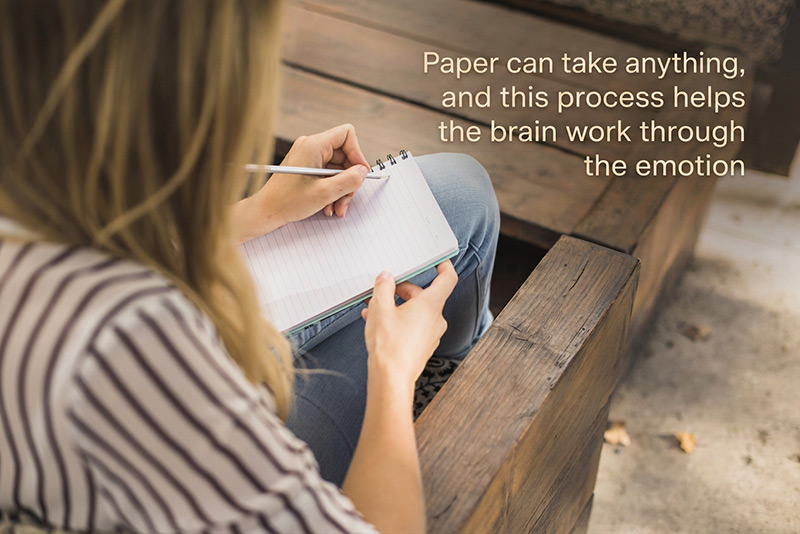
- Journaling (Anger Journaling): Write down everything you feel. Be brutally honest — do not censor yourself. Write about what made you angry and how you feel. Writing helps organise thoughts, reduces emotional intensity, and encourages a better understanding of one's own responses. Paper can take anything, and this process helps the brain work through the emotion.
- Sport and Physical Activity: Anger is energy that prepares the body for action. During physical activity, levels of stress hormones such as cortisol and adrenaline decrease, while endorphins which is natural substances that improve mood and reduce feelings of tension, are released. Regular exercise can also contribute to better emotional regulation, greater resilience to stress, and improved mental well-being. Release it through intense exercise, running, boxing, or brisk walking. Dancing is also an excellent way to release trapped emotions.
- Talking to a Trusted Person: A conversation with a friend, partner, therapist, or coach can bring relief. It is important that the person simply listens and gives you the space to express your frustration.
- Breathing Exercises and Somatic Work: Through deep diaphragmatic breathing and grounding techniques, we can calm the nervous system and signal to the body that it is safe to release tension. Once the body calms down, it becomes easier to make thoughtful decisions and respond less impulsively.
- Retreating to Privacy, do somen Music, Screaming, or Release: Sometimes we simply need a space of our own. Sit in the car, go out into nature, or lock yourself in a room and allow yourself to be angry. Turn the music up loud, sing, scream into a pillow, or simply exhale loudly. Sound is one of the most powerful ways the body releases tension. Others do not need to see or hear it. It is your personal release ritual the one that restores your inner peace and helps you return to others feeling calm and clear.
Psychosomatics: When the Body Speaks What the Mind Has Suppressed
In managing anger, we can also greatly benefit from understanding psychosomatics. Psychosomatics studies the connection between our emotions and physical symptoms. If you frequently have a sore throat or feel a "lump" in your throat, you may be holding back words that needed to be spoken. If you experience stomach problems, you may be unable to "digest" a certain situation.
Recognising these physical signs allows us to become aware of our anger before it develops into illness.
In any case, the golden rule applies: we must release the emotion from the body.
Summary: We must communicate all emotions, not just anger
Anger is just one of the emotions we carry within us. But the same applies to sadness, disappointment, fear, resentment, and jealousy. All of these emotions need an outlet, whether we express them directly to the person they are intended for, or whether we make use of one of the techniques described above.
There is no right or wrong path; what matters is simply that the emotion does not remain trapped inside us.
It is especially valuable when we manage to communicate an emotion directly, in person, with the individual it concerns. Resolved relationships and expressed emotions are a gift we give to ourselves and to those we love. When we have "cleared accounts" with the people close to us, we live more easily, sleep better, and our bodies carry less of a burden. Many illnesses that develop in adulthood have their roots in emotions that were suppressed for years and in words that were never spoken.
Consider this as well: life is unpredictable. The people we love will not always be with us. Unspoken emotions, unsaid words, and unresolved relationships are often the source of deep regrets that haunt us long after a person is gone.
Expressing what we feel,with love, respect, and courage, is one of the most important gifts we can offer to ourselves and to others.
Note: This article is for informational purposes only and does not replace a personal consultation with a doctor, psychotherapist, psychologist, or other qualified mental health professional.
FAQ
Is it wrong to be angry frequently?No, anger is a natural emotion. What matters, however, is how you express it and whether you understand what lies beneath it. Frequent anger can be a sign that your boundaries are being constantly violated or that you are carrying unresolved trauma.
Is anger a negative emotion?No. Anger is a neutral emotion, it is neither good nor bad; it is simply a signal. It tells us that one of our boundaries has been violated or that an injustice has been done to us. It is not anger itself that is negative, but only the destructive ways in which we express it. When we recognise anger and handle it consciously, it can even become a powerful driver of change and personal growth.
Why do some people get angry quickly?A low anger threshold is often the result of a combination of factors: genetic predisposition, being raised in an emotionally unstable environment, accumulated unresolved emotions, or chronic stress. People who grew up in families where emotional communication was not safe or possible often did not develop the tools for emotional regulation. The good news is that these tools can be learned at any point in life.
How to express anger without conflict? Quick tipsThe key lies in assertive communication: speak in the first person ("I" statements) and describe your feelings rather than attacking the other person. Instead of "You always make me angry!", say "When this happens, I feel angry and I need you to ...". Choose the right moment for the conversation and not when you are at the peak of emotional intensity, but once you have calmed down somewhat and can speak clearly. The goal is not to win an argument, but to be heard and understood.
What should I do when I feel a strong surge of anger?First, stop and take a deep breath. Do not react impulsively. Try to identify what has truly hurt or affected you. Then choose a healthy way of expressing it: an assertive conversation, if possible, or release through writing or movement.